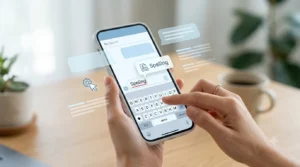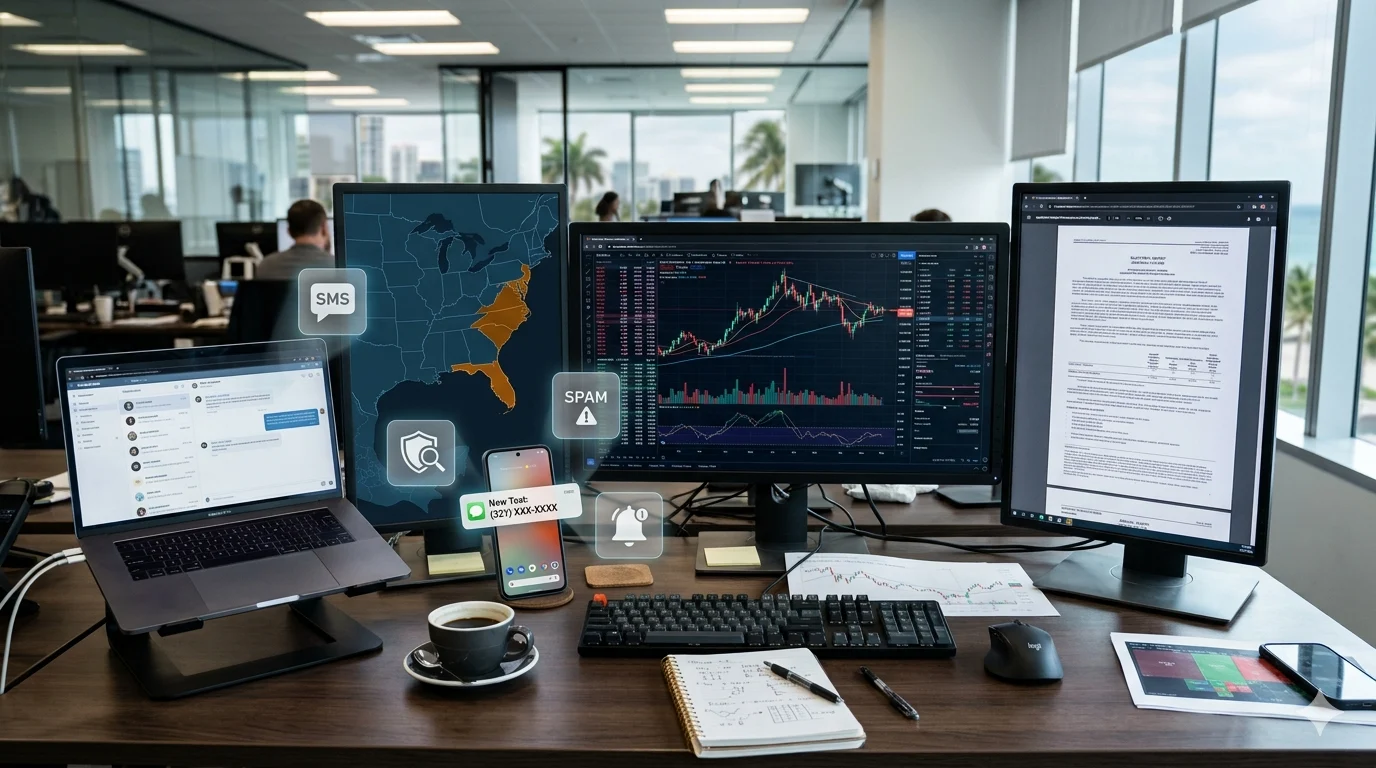
A 321 area code text message can be surprising, especially if you don’t recognize the sender. Since the 321 area code serves parts of Florida, the message may come from a legitimate person, business, or service. However, scammers can also spoof phone numbers, making a text appear trustworthy even when it isn’t. That’s why it’s important to verify the sender before replying or clicking any links.
If you’ve received a 321 area code text message, you may be wondering whether it’s genuine, a marketing message, a verification code, or part of a scam. Understanding the source of the text and recognizing common warning signs can help you protect your personal information and avoid fraudulent schemes.
This guide covers everything you need to know about 321 area code text messages, including where the area code is located, why you might receive these messages, how to identify potential scams, and the safest steps to take. Whether you’re simply curious or concerned about an unexpected text, you’ll find clear, practical answers to help you respond with confidence.
Where Is the 321 Area Code From?
The 321 area code is a real telephone area code in the United States. It primarily serves Central Florida, including cities along the famous Space Coast. The number 321 was chosen because it matches the countdown phrase “3…2…1… Liftoff!,” honoring the area’s connection to space exploration.
Some of the cities that commonly use the 321 area code include:
- Melbourne
- Cocoa
- Cocoa Beach
- Titusville
- Palm Bay
- Rockledge
- Merritt Island
If you receive a 321 area code text message, it may simply be from someone living or working in this region. Businesses, healthcare providers, schools, delivery services, and individuals all use 321 phone numbers.
However, because modern technology allows scammers to disguise phone numbers, seeing 321 on your screen does not guarantee the sender is actually located in Florida.
Why Am I Receiving a 321 Area Code Text Message?
There are many reasons why a text from a 321 phone number might appear on your phone. Most are completely harmless, while others deserve extra caution.
Here are the most common reasons.
Someone You Know
A friend, family member, coworker, or business contact may have recently moved to Central Florida or uses a phone number with the 321 area code.
Business Notifications
Many companies send appointment reminders, order confirmations, shipping updates, verification codes, and customer service messages using local phone numbers.
Marketing Messages
Some businesses use text marketing to announce sales, promotions, or special offers.
Wrong Number
Sometimes a message is simply intended for someone else.
Scam or Spam Text
Unfortunately, scammers often send fake delivery notices, prize claims, banking alerts, unpaid toll notices, or account verification requests using spoofed numbers that appear trustworthy.
Understanding the context of the message is the first step toward deciding whether it is safe.
Is a 321 Area Code Text Message a Scam?
Not necessarily.
Receiving a 321 area code text message does not automatically mean someone is trying to scam you. Millions of legitimate phone numbers use this area code every day.
The real concern is number spoofing.
Spoofing allows scammers to make their messages appear as though they came from a local or trusted phone number. This trick increases the chance that people will open the message or respond without thinking twice.
A scam text often tries to create urgency. It may claim that:
- Your package cannot be delivered.
- Your bank account has been locked.
- You owe unpaid toll fees.
- You’ve won a valuable prize.
- Your account needs immediate verification.
- Your payment has failed.
- Your tax refund is waiting.
The goal is usually to convince you to click a link, reveal personal information, install malware, or send money.
Instead of trusting the phone number, always evaluate the message itself.
How to Tell if a Scammer Is Texting You
Many scam texts follow the same patterns. Learning these warning signs can help you avoid becoming a victim.
1. The Message Creates Panic
Scammers often try to pressure you into acting immediately.
Examples include:
- Your account will be closed today.
- Immediate payment required.
- Final warning.
- Verify your identity now.
Legitimate organizations rarely demand instant action through unexpected text messages.
2. Suspicious Links
Avoid clicking shortened or unfamiliar links.
Instead of visiting the website through the text, open your browser and type the company’s official website yourself.
3. Requests for Personal Information
Banks, government agencies, and trusted businesses generally do not ask for passwords, PINs, Social Security numbers, or verification codes through text messages.
If someone does, treat the message as suspicious.
4. Strange Grammar or Spelling
Many scam texts contain awkward wording, spelling mistakes, unusual punctuation, or poor grammar.
Professional organizations usually proofread their communications carefully.
5. Offers That Sound Too Good to Be True
If someone claims you’ve won a gift card, cash prize, luxury vacation, or expensive phone without entering a contest, it’s almost certainly a scam.
Is It Safe to Read a Text From an Unknown Number?
Yes.
Simply opening and reading a text message is generally safe on modern smartphones.
The real danger begins when you:
- Click unknown links.
- Download unexpected attachments.
- Install unfamiliar apps.
- Reply with personal information.
- Send money.
- Share verification codes.
If the message looks suspicious, delete it or report it as spam without interacting further.
What Is the Code for Spam Text Messages?
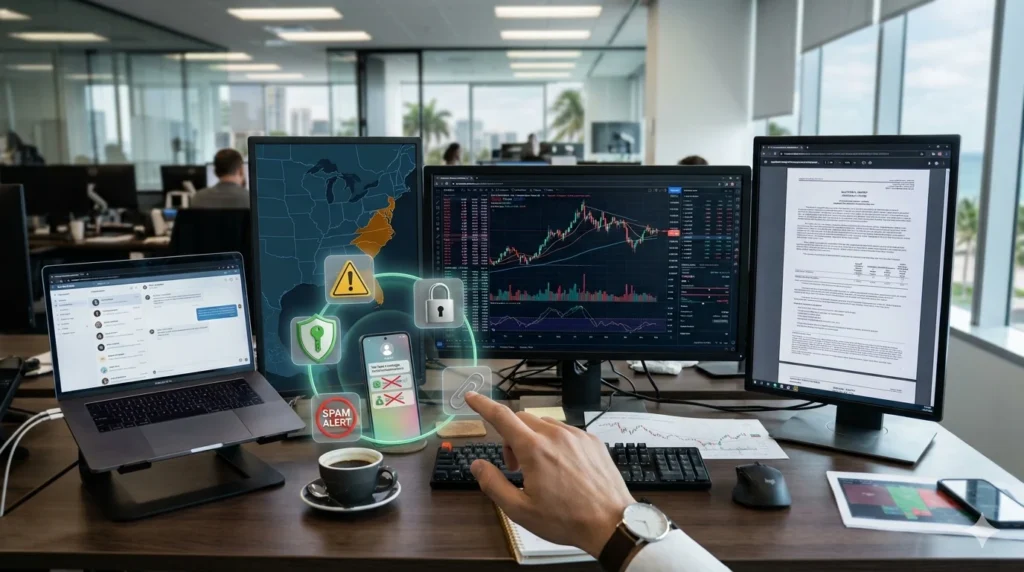
If you receive a suspicious 321 area code text message, you can help reduce spam by reporting it.
One of the easiest methods is forwarding the message to 7726 (SPAM). Many mobile carriers use this reporting service to investigate unwanted text messages.
You should also:
- Block the sender.
- Mark the message as spam.
- Delete suspicious texts.
- Report phishing attempts when appropriate.
- Keep your phone’s software updated.
These simple steps can reduce future spam messages and help protect other users as well.
321 Area Code Text Message 2021: Why Is It Still Trending?
Many people still search for 321 area code text message 2021 because reports of suspicious texts increased significantly during that time. Scammers began sending fake delivery updates, banking alerts, tax refund notices, and account verification requests. Although the search includes “2021,” these scams have not disappeared. Similar tactics are still used today, making it important to stay alert whenever you receive an unexpected text from an unknown number.
The best way to stay safe is to focus on the message itself rather than the year. If a text asks you to click a link, share personal details, or send money, verify it through the company’s official website or customer support before taking any action.
110+IGPK Message Board: Everything You Need to Know
Area Code 321 Spam: Common Scams to Watch For
A 321 area code does not mean a message is spam, but scammers frequently spoof local numbers to appear trustworthy. Knowing the most common scams can help you recognize warning signs before it’s too late.
Fake Delivery Notifications
You receive a message saying your package cannot be delivered until you click a tracking link. The link usually leads to a fake website designed to steal personal information.
Bank Account Alerts
Scammers pretend to be your bank and claim your account has been locked or that suspicious activity has been detected. They ask you to verify your details through a fraudulent link.
Prize or Gift Card Scams
A text claims you’ve won cash, a smartphone, or a gift card. To receive the prize, you’re asked to pay a small fee or provide sensitive information.
Toll Road Payment Scams
These messages say you owe unpaid toll charges and must pay immediately to avoid penalties. They often include fake payment links.
Job Offer Scams
Unexpected texts offering high-paying jobs with little effort are becoming increasingly common. Their goal is usually to collect personal or financial information.
Whenever a message creates urgency or asks for private details, stop and verify it independently.
321 Phone Number Lookup: Free Ways to Check a Number
If you’re unsure about a 321 phone number, you can research it before replying.
Here are a few free methods:
- Search the phone number on Google.
- Check whether friends or family recognize the number.
- Use your phone’s built-in caller identification.
- Look for public reports from other users on trusted phone lookup websites.
- Check if the business has listed the same number on its official website.
While free lookup tools can provide useful information, they are not always accurate. Some legitimate numbers may have little or no public information, while scammers frequently change or spoof phone numbers.
Five Area Codes You Should Never Trust Automatically
You may have seen articles listing five area codes you should never answer. The truth is that no area code is dangerous by itself.
Scammers can spoof almost any area code, including local ones. Instead of avoiding specific area codes, pay attention to suspicious behavior.
Be cautious if a message:
- Creates fear or urgency.
- Asks for passwords or verification codes.
- Requests payment through unusual methods.
- Includes unfamiliar links.
- Promises unrealistic rewards.
Your safest approach is to judge the content of the message—not just the number.
100+How to Send Messages Using the WhatsApp API: Complete Guide
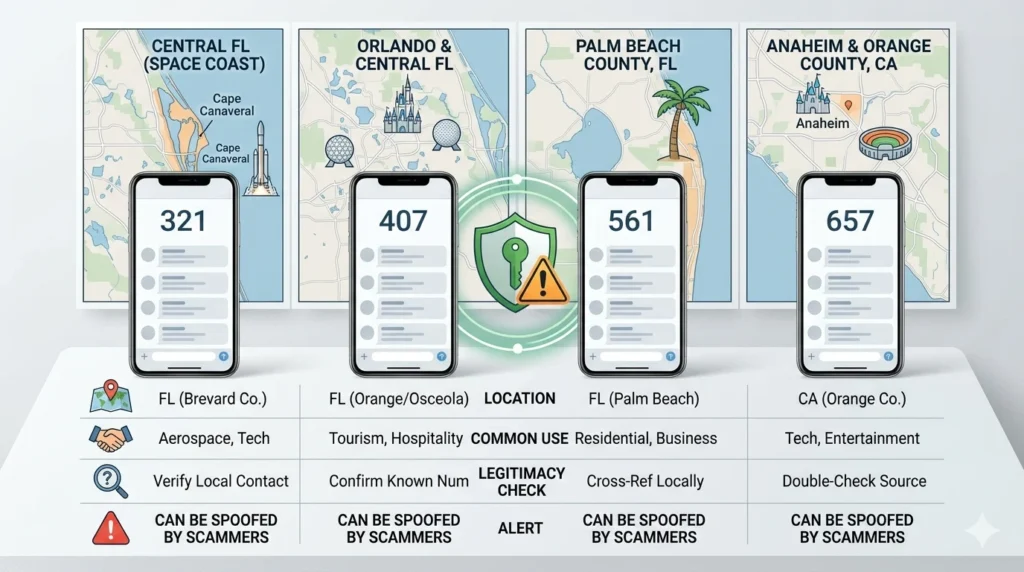
321 vs. 407 vs. 561 vs. 657 Area Codes
People often compare these area codes after receiving unexpected text messages.
| Area Code | Primary Location | Common Use |
|---|---|---|
| 321 | Central Florida (Space Coast) | Personal and business phones |
| 407 | Orlando and nearby areas | Residential and commercial numbers |
| 561 | Palm Beach County, Florida | Homes, businesses, and mobile phones |
| 657 | Anaheim and Orange County, California | Residential and business numbers |
Each of these is a legitimate area code. However, scammers can spoof any of them, so the same safety rules apply regardless of which number appears on your screen.
How to Protect Yourself From Text Message Scams
Receiving a suspicious text doesn’t always mean you’re at risk, but taking a few simple precautions can protect your personal information.
Follow these best practices:
- Never click unknown links.
- Avoid downloading unexpected attachments.
- Do not share passwords, PINs, or one-time verification codes.
- Enable spam filtering on your phone.
- Keep your device updated with the latest software.
- Block and report suspicious numbers.
- Contact companies directly using their official website if you’re unsure.
A few seconds of caution can prevent identity theft, financial loss, and other online scams.
Frequently Asked Questions
1. Where is a 321 area code from?
The 321 area code serves parts of Central Florida, including Melbourne, Cocoa, Titusville, Palm Bay, and nearby communities along the Space Coast.
2. How do you tell if a scammer is texting you?
Warning signs include urgent requests, suspicious links, poor grammar, unexpected prizes, and messages asking for personal or financial information.
3. What is the code for spam text messages?
Most U.S. mobile carriers allow you to forward spam texts to 7726 (SPAM). You can also block the sender and report the message through your phone.
4. Is it okay to read a text from an unknown number?
Yes. Reading a text is generally safe. The risk comes from clicking unknown links, downloading attachments, replying with sensitive information, or sending money.
5. Can I trust a 321 phone number?
Not always. A 321 phone number may belong to a legitimate person or business, but scammers can spoof local numbers. Always verify unexpected messages before responding.
Conclusion
Receiving a 321 area code text message does not automatically mean you’re being targeted by a scam. Many people, businesses, and organizations in Central Florida use this area code every day. However, because scammers can spoof legitimate phone numbers, it’s important to stay cautious whenever you receive an unexpected text. Take a moment to review the message, avoid clicking suspicious links, and verify the sender through official sources if something feels wrong. By following a few simple safety habits, you can protect your personal information and respond with confidence whenever an unknown number appears on your phone.

Adam Sinclair is a thoughtful writer who believes clarity and emotion make words powerful. His writing focuses on life lessons, relationships, and messages that quietly stay with the reader.