IGPK Message Board is an online platform where investors and traders come together to share opinions, discuss stock performance, and stay updated on the latest market news. It helps users understand what is happening around IGPK through real-time community conversations and insights.
Many investors rely on message boards to get different perspectives on stock trends, company updates, and market sentiment. These discussions often provide useful information that can help both beginners and experienced traders make more informed decisions.
In this guide to the IGPK Message Board, you will learn how the platform works, what kind of discussions take place, and why it has become a popular source of investor engagement. It is a helpful space for staying connected with real-time IGPK stock conversations.
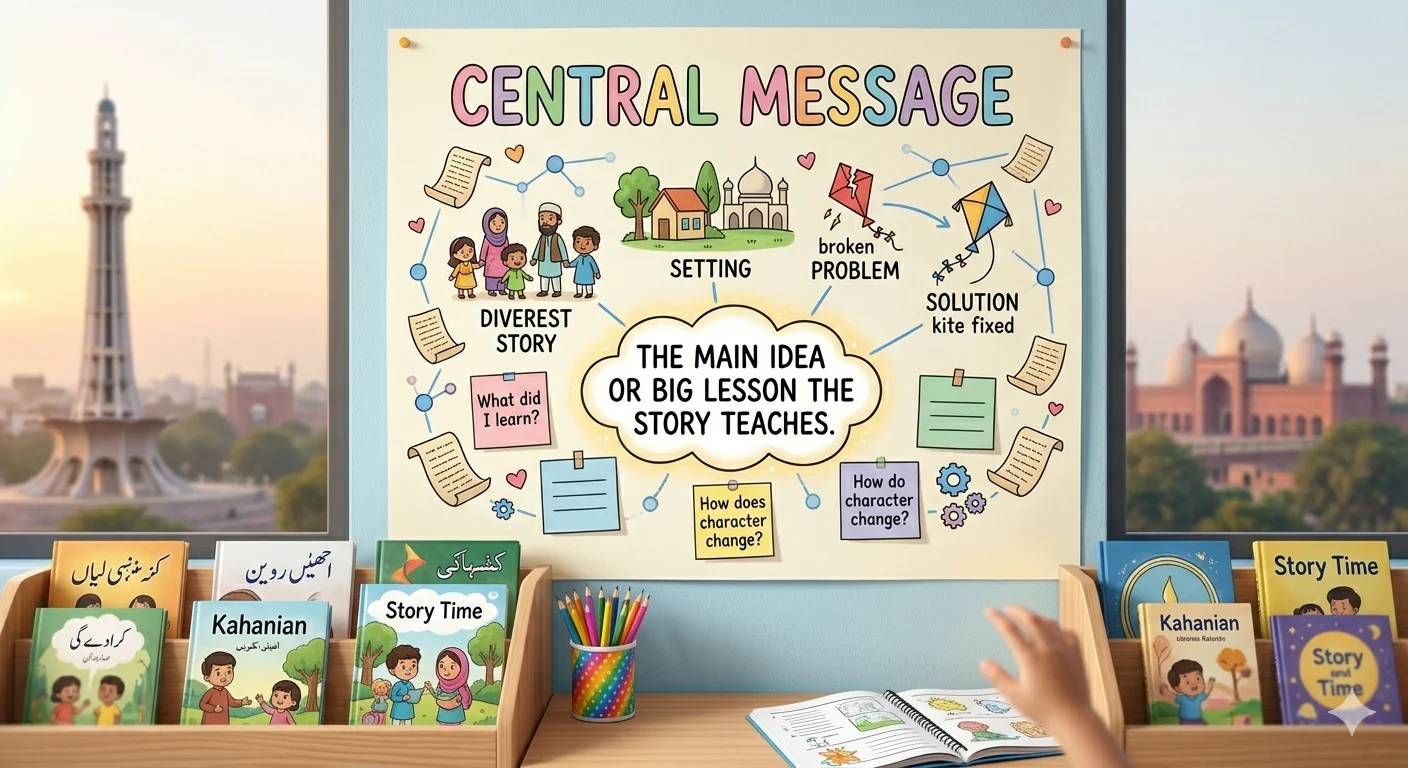
📘 Central Message Anchor Chart for 1st Grade
In 1st grade, students are just beginning to understand story meaning. A central message anchor chart helps them identify simple lessons like kindness, sharing, and honesty using very easy language and visuals.
Message:
- Be kind to others
- Sharing makes friends happy
- Always tell the truth
- Helping is important
- Friendship matters
- Say sorry when needed
- Work hard every day
- Respect everyone
- Good choices bring happiness
- Learn from mistakes
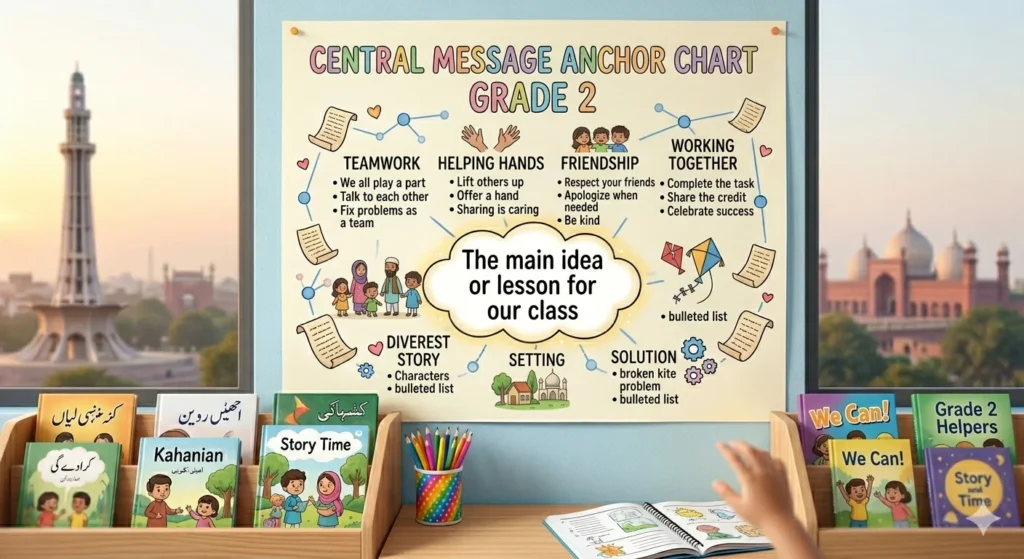
📗 Central Message Anchor Chart for 2nd Grade
A central message anchor chart grade 2 helps students go deeper into story understanding. They begin connecting actions in stories with real-life lessons and simple moral values.
Message:
- Kindness makes life better
- Teamwork helps solve problems
- Never give up easily
- Honesty builds trust
- Helping others is good
- Friends support each other
- Be brave in hard times
- Respect brings peace
- Hard work leads to success
- Learn from every story
📙 Central Message Anchor Chart for 3rd Grade
At this level, students start analyzing stories more deeply. A central message anchor chart 3rd grade helps them explain lessons in complete sentences and understand character actions.
Message:
- Every story has a lesson
- Characters teach real values
- Problems lead to solutions
- Mistakes help us grow
- Actions have consequences
- Good decisions matter
- Stories teach responsibility
- We learn from experiences
- Themes guide understanding
- Reading builds thinking skills
Angel Message: Meaning, Spiritual Messages & Inspirational Quotes
📄 Central Message Anchor Chart Printable / PDF Ideas
A central message anchor chart printable or PDF version is perfect for classrooms. Teachers can display it on walls or use it during reading lessons for quick revision.
Message:
- Use simple visual charts
- Add short sentences
- Include story examples
- Highlight key lessons
- Keep it colorful and clear
- Use bullet points
- Display in classroom walls
- Use during reading time
- Update with new stories
- Make it student-friendly
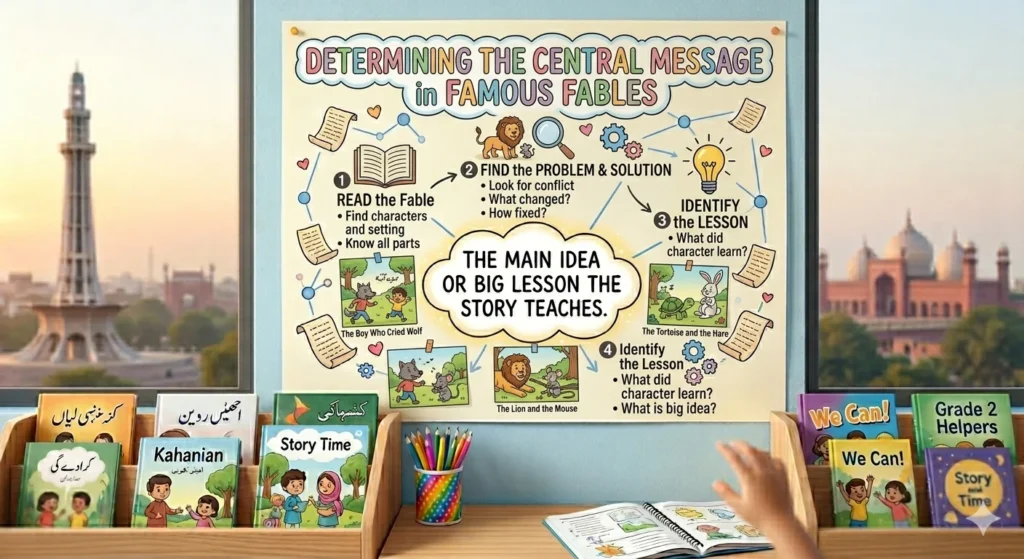
🔍 Determining the Central Message Anchor Chart
This type of central message anchor chart teaches students how to find the main lesson of any story by thinking step by step.
Message:
- Read the full story
- Find the main problem
- Look at the solution
- Check character actions
- Identify key events
- Ask what is learned
- Think about the ending
- Summarize in one line
- Connect to real life
- Share your idea
MSU Message Board: Latest Discussions, Updates & Community Talk
🎭 Theme vs Central Message Anchor Chart
Students often confuse theme and central message. This central message anchor chart helps clarify the difference in a simple way.
Message:
- Theme is the big idea
- Central message is the lesson
- Both explain meaning
- Theme is general
- Message is specific
- Stories may have many themes
- Message is usually one
- Both teach values
- Both improve understanding
- Both help reading skills
📖 Story-Based Central Message Anchor Chart Examples
Using stories makes learning easier. A central message anchor chart helps students connect lessons with familiar story characters.
Message:
- Tortoise teaches patience
- Lion teaches bravery
- Sharing shows kindness
- Hard work brings success
- Honesty solves problems
- Friendship builds trust
- Teamwork achieves goals
- Mistakes teach lessons
- Kindness changes lives
- Stories guide behavior
👩🏫 Classroom Use of Central Message Anchor Chart
Teachers use a central message anchor chart to guide discussions and help students understand reading lessons step by step.
Message:
- Read stories together
- Ask guiding questions
- Discuss meaning in class
- Write ideas on board
- Encourage participation
- Highlight key lesson
- Use simple words
- Compare answers
- Build group learning
- Make learning interactive
🧠 Activities for Central Message Anchor Chart
Activities help students enjoy learning. A central message anchor chart becomes more effective when paired with hands-on classroom tasks.
Message:
- Draw story scenes
- Write lesson sentences
- Act out stories
- Work in pairs
- Highlight keywords
- Create mini charts
- Use color coding
- Answer story questions
- Present in class
- Share personal ideas
📊 Revision & Assessment Central Message Anchor Chart
A revision-focused central message anchor chart helps students prepare for tests and improve reading comprehension skills.
Message:
- Read carefully
- Identify main idea
- Focus on lesson
- Write short answers
- Avoid extra details
- Use simple language
- Recall story events
- Practice daily reading
- Review key points
- Stay consistent
❓ FAQs – Central Message Anchor Chart
Q1: What is a central message anchor chart?
It is a visual tool that helps students understand the main lesson of a story.
Q2: Why is it important for students?
It improves reading comprehension and helps students think deeply about stories.
Q3: How is it used in grade 2 and 3?
It uses examples and guided questions to help students find story lessons easily.
Q4: Can I download a printable version?
Yes, many teachers use printable PDF versions for classroom learning.
Q5: What skills does it improve?
It improves thinking, reading, comprehension, and storytelling skills.
🌈 Conclusion
A central message anchor chart is a powerful and simple teaching tool that helps students understand the real meaning behind stories. From grade 1 basics to grade 3 analysis, it guides learners step by step toward better reading comprehension.
With the help of visuals, examples, and classroom activities, students can easily identify lessons, themes, and moral values in any story. Whether you are using a central message anchor chart printable, a PDF version, or classroom discussion methods, the goal remains the same—clear understanding.
This tool not only improves academic skills but also builds thinking ability and confidence in young learners. Keep practicing with stories, and students will naturally start discovering deeper meanings in everything they read.

Ruby Collins is a gentle storyteller who turns emotions into simple, meaningful words. Her writing focuses on love, warmth, and the quiet feelings people often struggle to express.