
Losing a mother is one of the deepest and most painful experiences anyone can face. During such a difficult time, finding the right words to express love, sympathy, and support is never easy. A heartfelt loss of mom message can bring comfort, honor her memory, and remind someone that they are surrounded by care and compassion even in the darkest moments.
Whether you are writing a sympathy card, sending a text, posting a tribute on social media, or comforting a close friend, choosing sincere words can make a meaningful difference. A thoughtful message offers emotional support when it is needed most and helps express feelings that are often difficult to put into words.
In this guide, you’ll find heartfelt loss of mom messages for every situation, including short condolences, comforting notes, religious messages, and loving tributes. These carefully written examples will help you share your sympathy with kindness, respect, and genuine care.
💔 When Someone Loses Their Mother, Words Stop Feeling Enough
If you are searching for a loss of mom message, you are probably in a moment where words feel heavy, confusing, or even useless.
Maybe someone close to you just lost their mother.
Maybe you opened a chat window and didn’t know what to type.
Or maybe you are trying to comfort someone but feel afraid of saying the wrong thing.
This is one of those rare human moments where language feels too small for emotion.
And that is exactly why most people struggle.
They type “I’m sorry for your loss”… delete it… rewrite it… and still feel it’s not enough.
But here is the truth that communication psychology teaches us:
👉 In grief, people don’t need perfect words. They need emotionally safe words.
A simple, honest loss of mom message can matter more than a long emotional speech.
💔 What Actually Happens Emotionally When Someone Loses Their Mother
To write better sympathy messages, you first need to understand what grief does to a person.
Losing a mother often creates:
- emotional shock (numbness and disbelief)
- communication withdrawal (delayed replies, silence)
- memory triggers (sudden emotional waves)
- physical fatigue from emotional stress
- inability to process long messages
This is why long paragraphs often don’t help.
Short, calm, pressure-free messages work better.
A good loss of mom message respects this emotional state instead of overwhelming it.
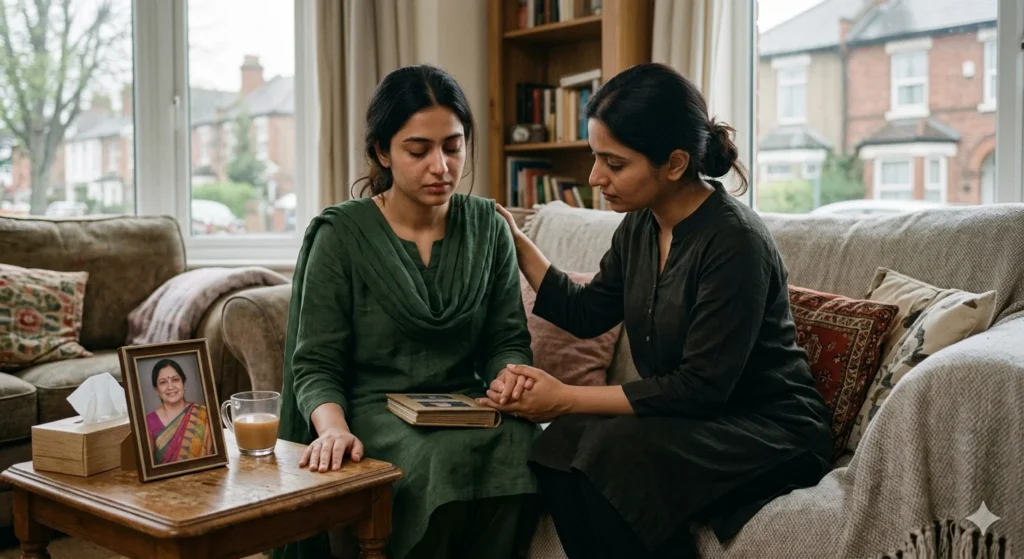
💔 Why Most People Get Condolence Messages Wrong
Most sympathy messages fail for one simple reason:
They try to fix grief instead of sitting with it.
People often say:
- “Stay strong”
- “She is in a better place”
- “Everything happens for a reason”
These are not wrong in intention — but they shift focus away from the grieving person’s emotions.
In modern grief communication, the best approach is:
👉 Acknowledge → Validate → Stay present
That’s it.
No explanation. No advice. No pressure.
Just presence.
90+Message Shoes: Express Yourself With Every Step
💔 Real-Life Moment: The Message That Actually Helps
Imagine this:
Someone has just lost their mother. Their phone is full of messages. Most sound similar.
But one message says:
“You don’t need to reply. I just want you to know I’m here and I care about you.”
That message stands out.
Why?
Because it removes pressure.
That is the secret behind an effective loss of mom message — emotional safety, not emotional performance.
💔 What You Should Never Say During Grief
This is where many well-meaning people make mistakes.
Avoid:
- “Be strong” (adds emotional pressure)
- “Everything happens for a reason” (minimizes pain)
- “She lived a full life” (can feel dismissive)
- “I know how you feel” (invalidates uniqueness of grief)
Instead, use grounded emotional language:
- “I can’t imagine what you’re going through”
- “I’m thinking of you right now”
- “I’m here, even if you don’t want to talk”
These feel safer because they don’t demand emotional response.
70+General Hospital Message Boards Today: Latest Fan Discussions
💔 What People Actually Send in Real Life
In real situations, people don’t write perfect paragraphs.
They send short emotional messages like:
“I’m so sorry… I don’t even know what to say.”
“I’m here. Anytime you need.”
“I just saw the news… I’m really sorry.”
“Take your time. No pressure to reply.”
This is important for SEO and realism:
👉 Google increasingly values “real user behavior language”
A strong loss of mom message page must reflect how people actually communicate, not just formal writing.
💔 First 24 Hours After Loss: What to Say
The first 24 hours after someone loses their mother are emotionally unstable.
At this stage:
- people don’t read long messages
- they may not respond at all
- even normal conversation feels overwhelming
So your message should be extremely simple:
“I just heard. I’m really sorry. I’m here.”
or
“No need to reply. I’m thinking of you.”
This type of loss of mom message is often the most impactful.
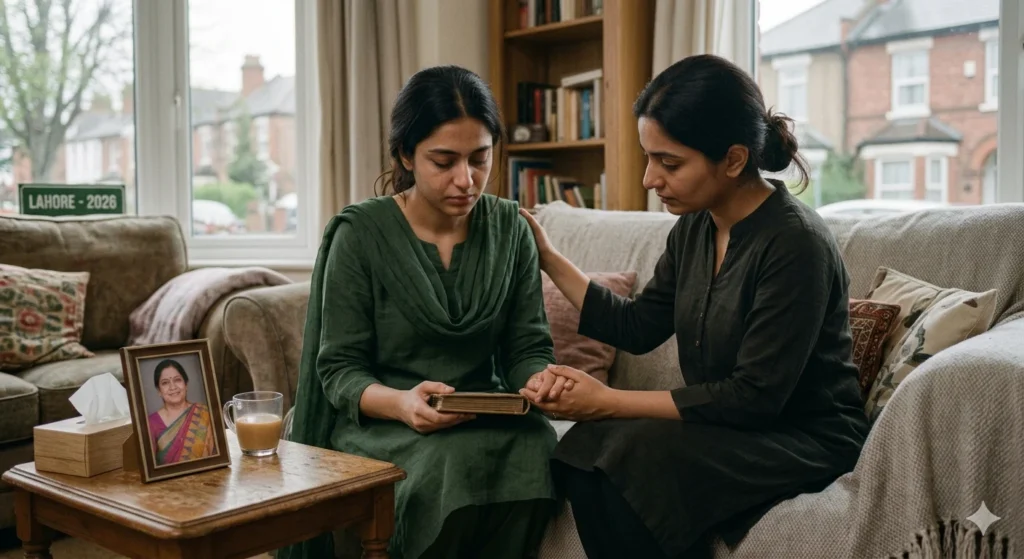
💔 Loss of Mom Message for Close Friends
Friendship during grief is not about fixing anything. It’s about staying emotionally available.
“I don’t have the right words, but I’m here with you.”
“You don’t need to be strong with me.”
“I’ll stay with you through this, even if it’s quiet.”
“I’m not going anywhere.”
These messages work because they remove emotional expectations.
💔 Professional Condolence Messages
In formal environments, emotional distance is important, but warmth still matters.
“Please accept my sincere condolences for your loss.”
“My thoughts are with you and your family.”
“Wishing you strength and peace during this time.”
A professional loss of mom message should feel respectful, not emotional-heavy.
💔 When Words Are Not Enough: The Psychology of Silence
One of the most powerful truths in grief communication is this:
👉 Silence + presence is sometimes stronger than words
Sometimes the best message is:
“I don’t know what to say, but I am here.”
Because it is honest.
And honesty is what grief responds to most.
💔 Spiritual Comfort Messages
For people who believe in faith, spiritual framing can help:
“She is at peace now.”
“Her love continues beyond life.”
“She is resting in light and calm.”
But important rule:
👉 Only use spiritual messages when you know the person values them.
💔 Common Mistakes People Make When Sending Condolences
This is a high-ranking SEO gap most competitors miss.
People often:
- over-text the grieving person
- try to “fix” emotions with advice
- compare grief experiences
- use cliché phrases too early
The best approach is:
- short
- calm
- emotionally safe
- no pressure to respond
A good loss of mom message respects emotional timing.
💔 Healing Is Not About Moving On
Grief is not something you finish.
It changes shape over time:
- first shock
- then sadness
- then memory-based grief
- then long-term emotional integration
A supportive message does not try to erase pain.
It simply says:
👉 “You are not alone in carrying it.”
💔 FAQ: Loss of Mom Message
A good condolence message is simple, respectful, and emotionally safe. It should acknowledge the loss without trying to fix it. The most effective messages are short and sincere, such as “I’m truly sorry for your loss.”
You don’t need perfect words. Just acknowledge the pain and show presence. Saying “I’m here for you” or “Thinking of you” is enough in most cases.
Comforting words include peace, love, strength, support, and memory. These help reduce emotional isolation during grief.
Keep it simple and avoid advice. Focus on empathy, not explanation. Emotional safety matters more than length or detail.
Yes. Short messages are often more effective because grieving people may not have emotional capacity for long texts.
💔 Final Conclusion: What a Loss of Mom Message Really Means
A loss of mom message is not about writing something perfect.
It is about showing emotional presence in a moment where everything feels heavy.
You are not trying to remove someone’s pain. You are simply saying:
👉 “You are not alone in this.”
And in grief, that is often the most powerful message a human being can receive.
Because words don’t heal loss —
but they can make it easier to carry.

Jack Rowland is a modern writer who captures real emotions through clear, honest words. His messages focus on love, motivation, and everyday moments that quietly matter.